
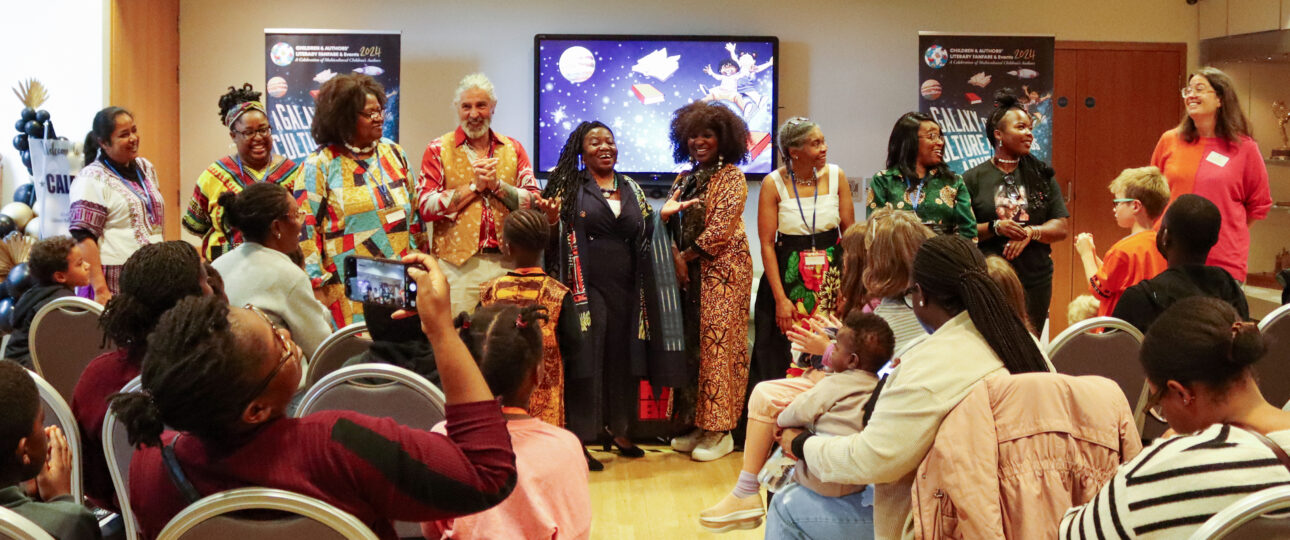
When the idea of hosting our very first event fell into our laps as a museum, we didn’t quite understand what we were getting ourselves into. We just knew that we didn’t want to hire a hall. We want to feel accepted’ we wanted to belong. So the offer of a takeover of the Victorian Kitchen, the 21st Gallery and anywhere else we were allowed to occupy was far more exciting than simply asking for a meeting space.
A month later the Victorian kitchen transformed for the day, into a Ghanaian utensil and spice harbour. There was an introduction to Mancala, an authors-only session in the 21st Gallery and storytelling in the main room. And voilà. Done. Dusted. Supported by Arts Council England, Lottery Funds Projects, that was 2023. Since then, we have continued to add museums to our list of partners, by the years.
But why museums? Is a question we have been asked over the years, and it is not an easy one to answer. Perhaps part of the answer lies in our complicated relationship with the physical museum institution itself.
The latest Participation Survey data offers an interesting starting point.
“In 2024/25, 31% of Black African adults in England physically engaged with a museum or gallery, compared with 41% of adults overall. Yet 23% of Black African adults engaged with museums and galleries digitally, compared with 14% overall.“
That difference should makes us pause. Perhaps the issue isn’t a lack of curiosity about history, culture or heritage. Perhaps it is the relationship with the physical institution. So what happens at the threshold? What happens between being curious about a museum online and walking through its doors?
History gives us some clues… For many Black communities, museums can carry considerable historical baggage: slavery, colonialism, empire, industrialisation and the ways in which objects, stories and people have been collected, classified and represented. And there is an honest, painful irony here.
Yet the hard-earned labour of our ancestors breathes life into many of the very institutions we can feel disconnected from. Their sweat helped build industries, cities and collections. So why should the spaces that ‘preserve’ these histories not always feel like those created with us in mind?
Having we been asking the wrong question? Instead of Why don’t Black people visit museums? Perhaps we should be asking:
What makes a museum feel like a place we can enter, inhabit and belong to? Well,Our first museum event taught us something about that. We did not simply bring people into a museum. We changed what happened inside it.
For one day, the Victorian Kitchen became a Ghanaian utensil and spice workshop. The gallery became a space for authors. Storytelling occupied the main room. The museum became a place where our food, games, stories, literature and memories could take up space. And perhaps that is where belonging begins. Not with being invited to consume somebody else’s history, but with being able to participate in shaping the experience.
We need to accept that we do belong because our ancestors’ labour is woven into the preserved histories. We belong because our stories are British stories too. We belong because our children deserve to encounter history and see themselves not only as descendants of people who were acted upon, but as people who shaped the world around them. We belong because museums can be places of questioning, discovery and imagination—not simply repositories of the past. And we belong because the museum should not have to remain exactly as it was for us to enter it.
Perhaps the challenge isn’t simply getting Black communities through the museum door. Perhaps the challenge is what the museum does once we arrive. Can we tell our own stories? And perhaps most importantly, can we change what happens inside? That is why museums matter to us. Not because they have always made us feel at home. But because they have the potential to become places where more of us can finally recognise that we were always part of the story.
Stories, Belonging and Museums for All is our continuing conversation about that threshold: the space between curiosity and entry, between seeing history and feeling that history belongs to you, and between being welcomed into a museum and being able to help shape what happens inside it. Because belonging should not require permission. It should be something we step into with grace and self-worth and confidence. When next you visit a museum, remember: You Belong.
#BlackHistory #BlackCulture #BlackHeritage #BlackRepresentation #BlackVoices #BlackArtists #BlackArt #MuseumCulture #MuseumStudies #Museums #MuseumHistory #MuseumEducation #InclusiveMuseums #DecoloniseMuseums #MuseumRepresentation #AfricanDiaspora #CulturalHeritage #HistoryAndCulture #BlackBritishHistory #BlackBritishCulture #calfeventscic
Photo Credit: Essex Cultural Diversity Project